

Through the treatment process at Wastewater Treatment Plants (WWTPs), solid materials are separated to create raw sewage sludge. The management of sewage sludge is a major and growing issue across Canada. As our population increases and industrial activity expands, more municipal wastewater is treated, resulting in a rapid rise in sludge production.
When this sludge undergoes further treatment, stabilization through processes
(e.g. anaerobic digester) to reduce pathogens and odours, it is reclassified as
biosolids. These treated materials are rich in nutrients and can be beneficially
used as a soil amendment or fertilizer, returning nitrogen and phosphorus to the land.
This dataset estimates sewage sludge for each WWTP, classifies its treatment type,
distinguishes facilities with existing digestion infrastructure, and tracks their final
disposal methods in Ontario.
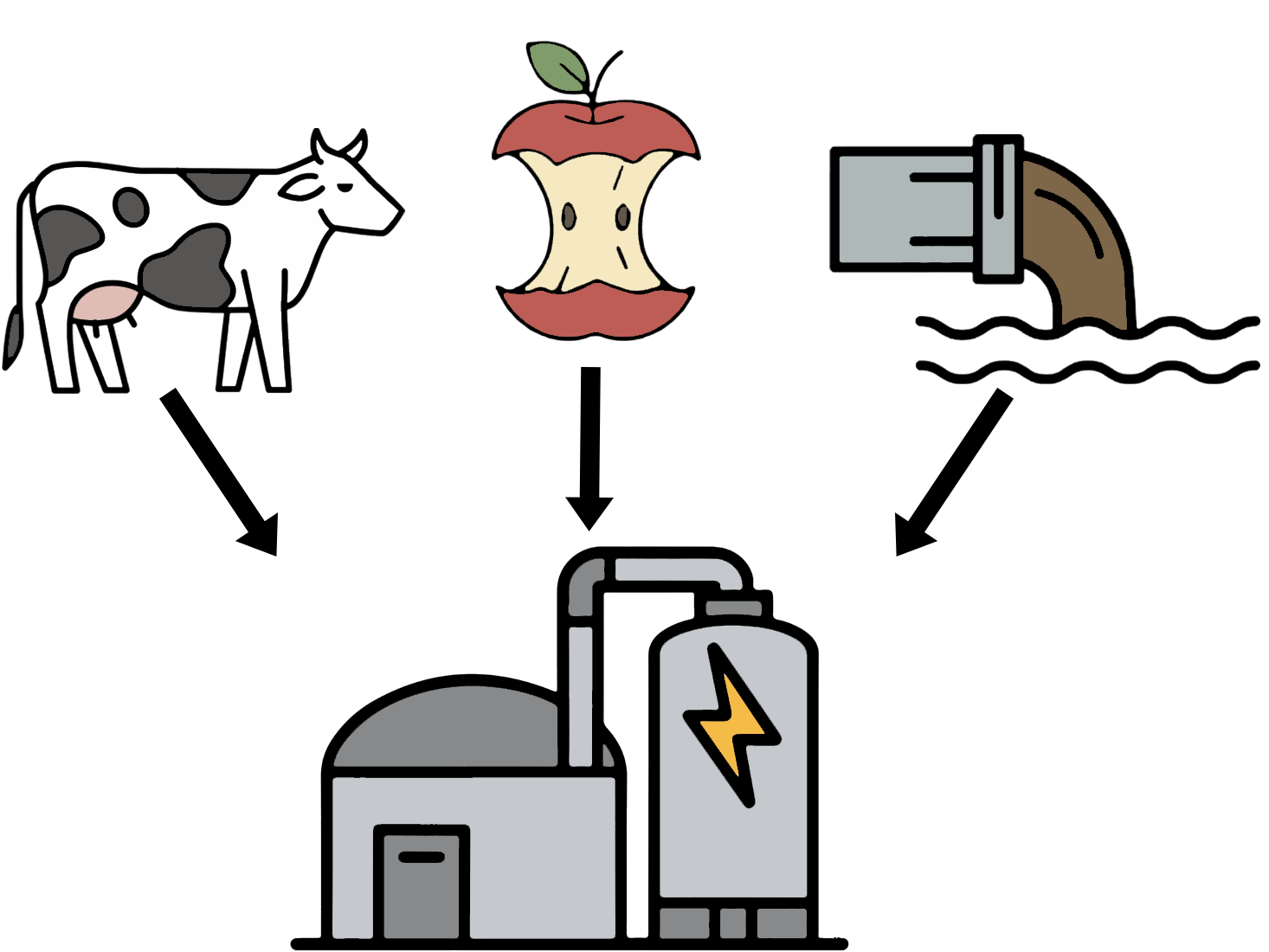
Integrating sewage sludge with manure and food waste optimizes energy production and enhances the stabilization process. This approach significantly reduces pathogens and generates a higher-value soil amendment for land application, effectively closing the nutrient loop.

Data on sewage sludge was collected through web searches of individual plant reports for the period 2020–2023.
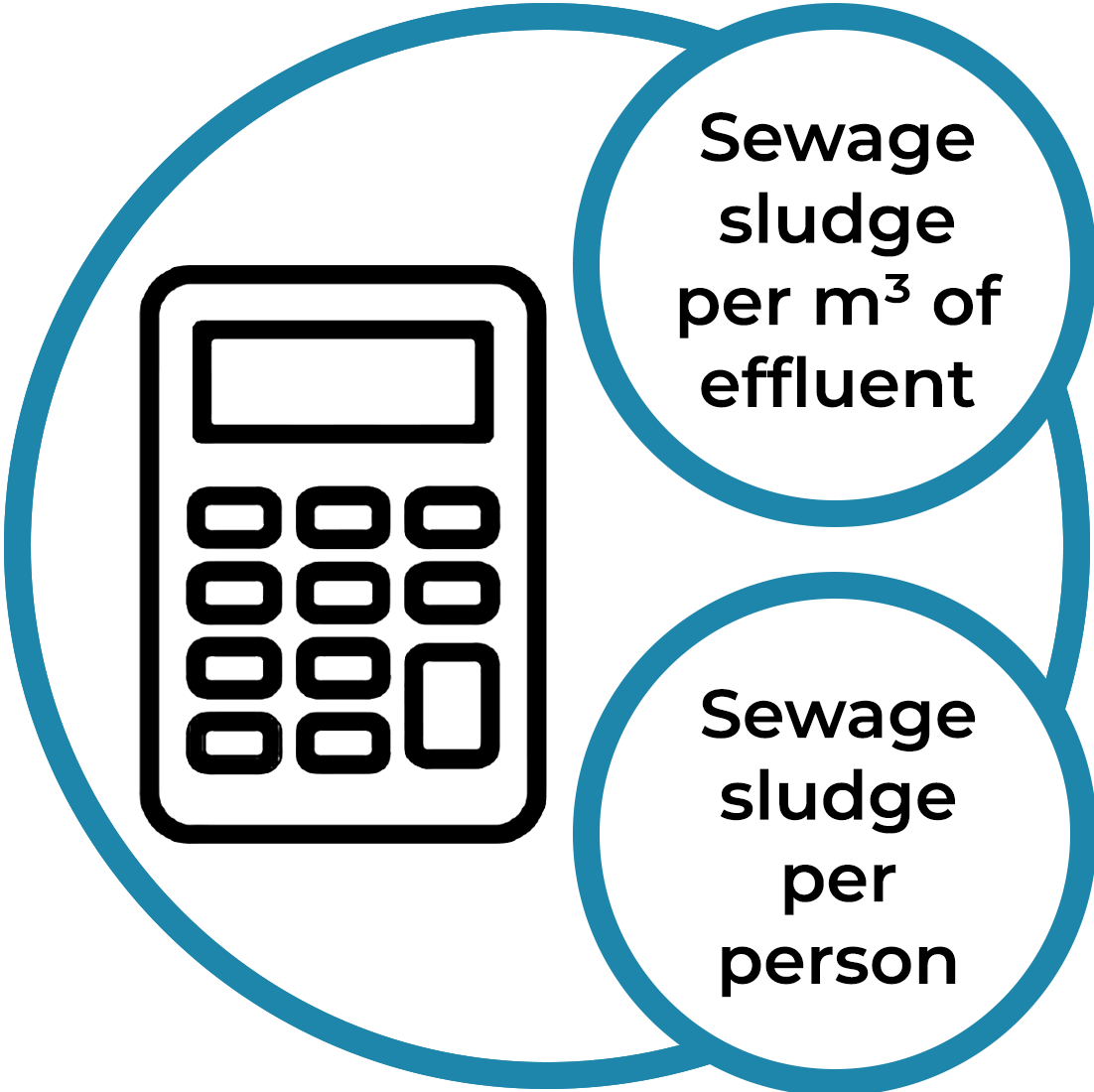
Using the collected data, we calculated generation factors based on effluent flow or population served for each type of treatment and stabilization process reported.
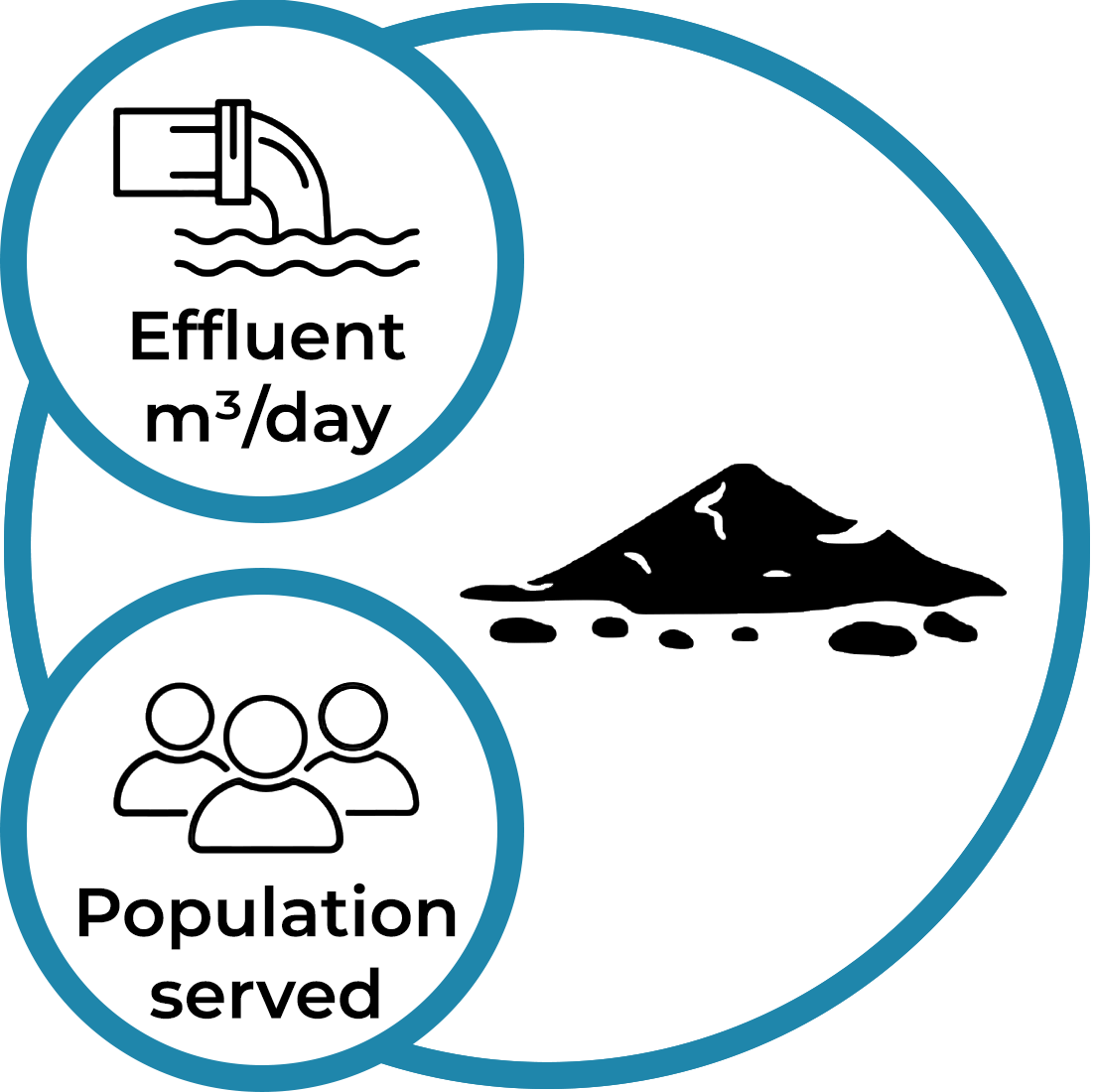
For plants without sludge generation data, we estimated it using treatment-specific or median factors, applying effluent-based factors when available, and population-based factors when effluent data was not available.

Median phosphorus (P) and nitrogen (N) concentrations were calculated from available data and applied to plants with missing values to estimate nutrient mass in sludge.